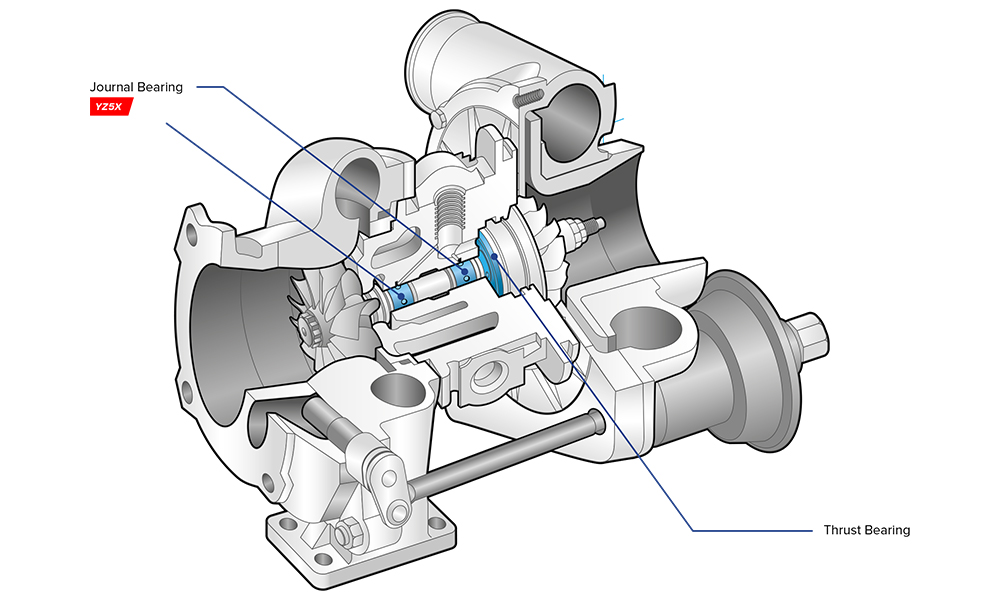
Bearings play a critical role in the performance and longevity of turbochargers by minimizing friction and enabling smooth, high-speed operation. Turbochargers operate at extremely high rotational speeds, sometimes exceeding 100,000 RPM, which places significant strain on the bearings within the system. Advanced bearing materials, such as ceramic and hybrid bearings, are increasingly used in turbochargers to enhance their ability to withstand these extreme conditions. These high-performance bearings reduce friction and heat generation, allowing the turbo to spin more freely and efficiently, leading to faster spool-up times, improved boost pressure, and better overall engine performance.
Additionally, the evolution of bearing designs, including the use of ceramic ball bearings and advanced oil-free technologies, is further enhancing turbocharger efficiency. Ceramic bearings, for example, are more resistant to heat and wear than traditional steel bearings, which helps turbochargers maintain consistent performance over longer periods. Furthermore, advancements in lubrication techniques, such as the development of self-lubricating bearings and high-temperature coatings, are reducing the need for frequent oil changes and increasing the reliability of the turbo system. These innovations help turbochargers operate at peak efficiency, resulting in better fuel economy, reduced emissions, and improved engine response, all while extending the service life of the turbocharger.
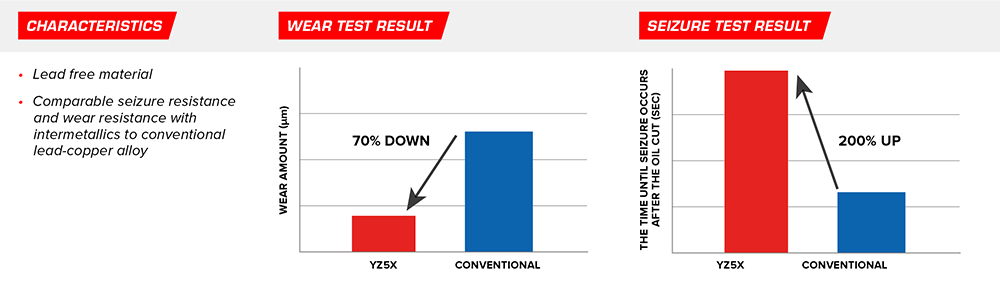
YZ5X
Seizure Resistance and Wear Resistance Copper Alloy