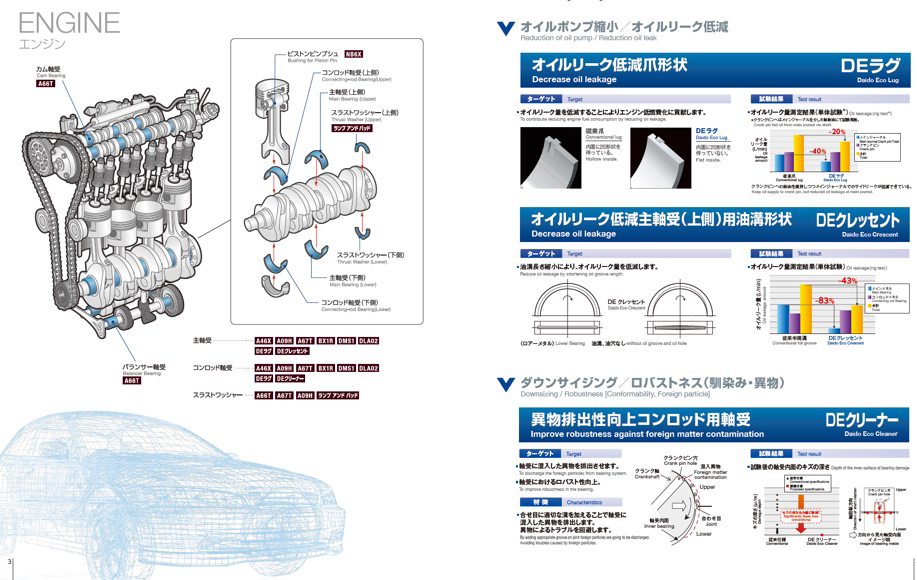
In harsh environments, bearing technology must withstand extreme conditions such as high temperatures, corrosive chemicals, moisture, and high-pressure applications. Traditional metal bearings may struggle under these circumstances, leading to increased wear, corrosion, and failure. To address these challenges, advanced bearing materials like ceramic, composite, and polymer-based bearings are increasingly being used. Ceramic bearings, for instance, are highly resistant to wear and corrosion, making them ideal for high-temperature applications such as gas turbines or industrial machinery. Their non-metallic nature also offers resistance to chemical exposure, reducing the risk of degradation in harsh environments.
Additionally, specialized coatings and lubricants are critical to protecting bearings in tough conditions. For example, dry-film lubricants and self-lubricating bearings, which use embedded lubricants or advanced polymers, help reduce friction and wear without the need for external lubrication systems. This is especially important in environments where regular maintenance is difficult or impossible. The combination of these advanced materials and technologies enables bearings to function reliably in environments where conventional bearings would fail, improving the overall durability and efficiency of machinery used in industries such as aerospace, oil and gas, mining, and manufacturing.